What a Stock Exchange Does, and Why Balkan Markets Are So Small
Stock exchanges help companies raise money and let savers own a piece of them. In the Western Balkans, however, trading is thin and few firms list their shares. The reasons say a…
News, analysis and explainers, minute by minute.
The economy, money, markets and work.
Stock exchanges help companies raise money and let savers own a piece of them. In the Western Balkans, however, trading is thin and few firms list their shares. The reasons say a…
Governments across the Balkans have raised minimum wages sharply in recent years. Economists still debate how far they can go without costing jobs.
Kosovo and Montenegro pay, save and borrow in euros, yet neither has a seat at the European Central Bank. That arrangement brings stability and credibility, and some risks that rarely make the…
Every year, workers abroad send billions of euros to families in the Western Balkans. Those transfers support households, build houses and soften recessions, but they can also hide deeper weaknesses in the…
Platforms like Airbnb and Booking have brought income to many families. They have also pushed up rents in popular neighbourhoods, raising questions cities elsewhere in Europe are already trying to answer.
In Albania, Montenegro and elsewhere, cash registers now report each sale to the tax authority in real time. The aim is to shrink the shadow economy.
Central banks set interest rates, supervise banks and keep the payment system running. The Bank of Albania, for example, targets 3 percent inflation for the lek.
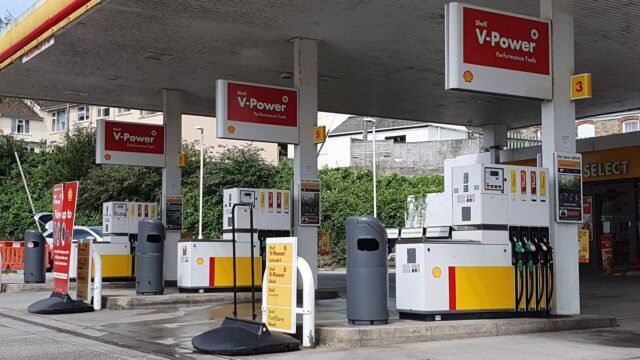
The price at the pump depends on crude oil, refining margins, exchange rates and, above all, taxes. Here is how a litre of petrol is priced.