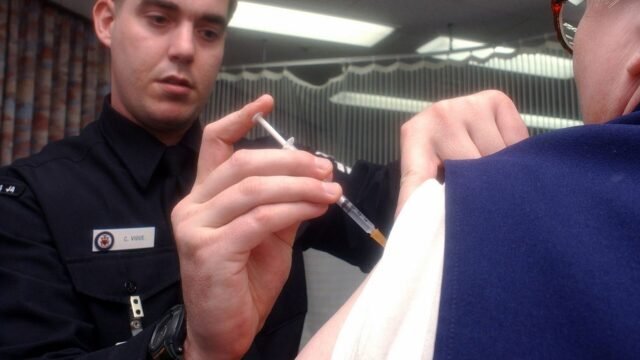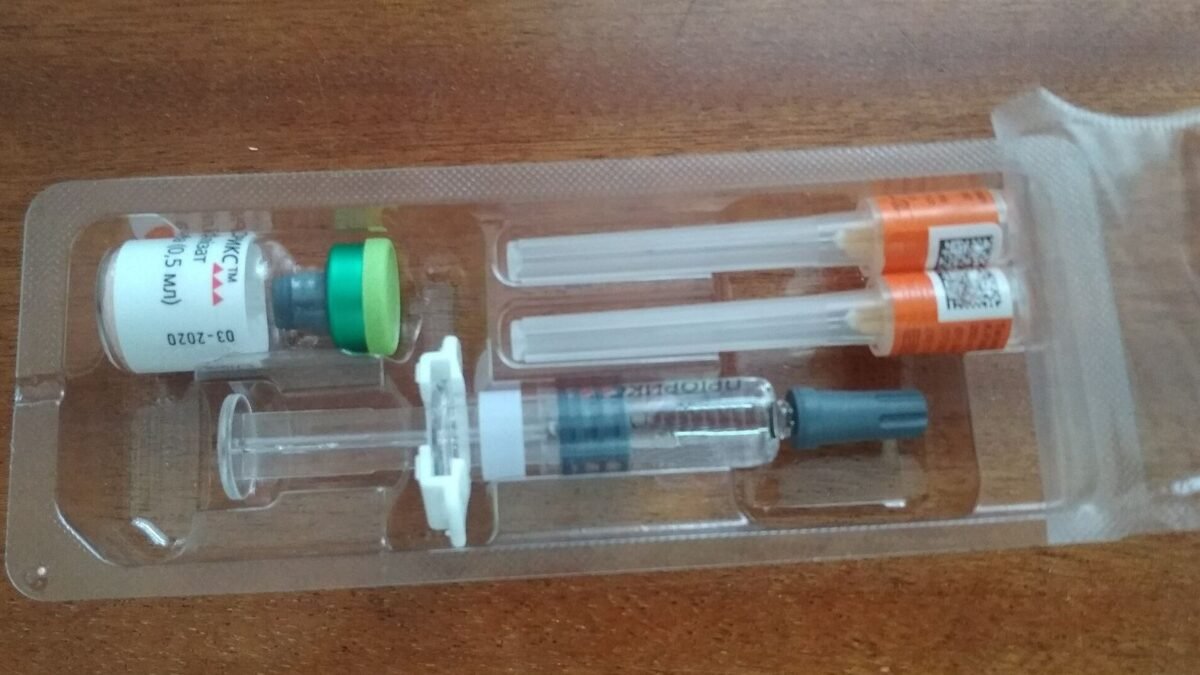
Not long ago, many doctors in Europe had never seen a case of measles. In recent years that has changed. Outbreaks have hit several countries in Europe and Central Asia, including in the Western Balkans, and the World Health Organization has reported sharp rises in cases across the region.
A highly contagious virus
Measles spreads through the air when an infected person coughs or sneezes, and the virus can linger in a room for up to two hours. One person with measles can infect a large share of unvaccinated people around them. Symptoms include high fever, cough, runny nose, red eyes and a characteristic rash.
Measles is not a harmless childhood illness. It can cause pneumonia, ear infections leading to hearing loss, and encephalitis, a dangerous swelling of the brain. It also weakens the immune system for months or longer, making children more vulnerable to other infections. Babies, pregnant women and people with weak immune systems are at greatest risk.
The 95 percent threshold
Because the virus is so contagious, around 95 percent of the population needs to be immune to stop it spreading, a level called herd immunity. This protects those who cannot be vaccinated, such as very young babies and people undergoing cancer treatment. Two doses of the measles, mumps and rubella (MMR) vaccine provide strong, long-lasting protection.
Why coverage fell
Several factors have reduced vaccination rates. Routine vaccinations were disrupted during the COVID-19 pandemic. Misinformation spread online, including the long-debunked claim linking the MMR vaccine to autism; the study behind that claim was retracted and its author struck off the medical register in the UK. Some families face practical barriers, such as distance to clinics, missing documents or migration. Pockets of low coverage allow outbreaks even when national averages look acceptable.
What parents can do
Check children’s vaccination records and catch up on missed doses; health centres can advise on schedules. Adults unsure of their own status can ask their doctor, especially before travel or if planning a pregnancy. Anyone with suspected measles should call the doctor before visiting a clinic, to avoid infecting others in the waiting room.
Measles is preventable. Its return is a reminder that the success of vaccination depends on being maintained, generation after generation.