Few Europeans could explain what the Organization for Security and Co-operation in Europe does, yet its observers appear at almost every election in the Balkans and its offices operate in several capitals of the region.
Born in the Cold War
The OSCE grew out of the Conference on Security and Co-operation in Europe, which produced the Helsinki Final Act in 1975. The document, signed by Western and Eastern bloc countries, covered borders, economic cooperation and human rights, and gave dissidents in communist countries a text to hold their governments to. In 1995 the conference became a permanent organisation.
Today it has 57 participating states across Europe, Central Asia and North America, including the United States, Canada and Russia. Decisions are taken by consensus, which gives every member a veto and has made the organisation increasingly difficult to run since Russia’s invasion of Ukraine.
Election observation
The OSCE’s Office for Democratic Institutions and Human Rights, based in Warsaw, sends observers to elections in participating states. Long-term observers follow the campaign for weeks, while short-term observers watch voting and counting on election day. Their reports assess whether elections met international standards on issues such as media coverage, campaign financing and the misuse of state resources, and they usually include recommendations that parties and governments often cite.
Missions on the ground
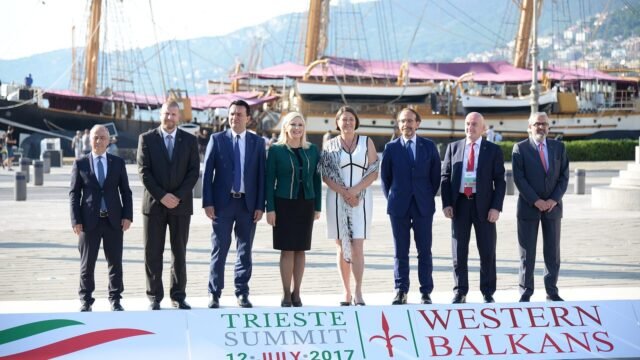
In the Western Balkans the OSCE has run field operations since the 1990s. Missions or presences in Albania, Bosnia and Herzegovina, Kosovo, Montenegro, North Macedonia and Serbia work on rule of law, minority rights, police reform, media freedom and support for elections. The OSCE Mission in Kosovo, one of the largest, has helped organise elections and monitors the rights of communities.
Limits and value
The OSCE has no army and cannot impose sanctions. Its strength lies in monitoring, reporting and quiet diplomacy, and in the commitments all its members have signed. Critics say its consensus rule makes it slow and easy to block. Supporters reply that it is one of the few forums where rivals still sit at the same table, and that its practical work on the ground is hard to replace.