For many readers outside Albania, the country’s history and myths arrived through the books of one man. Ismail Kadare, who died in Tirana on 1 July 2024 at the age of 88, was translated into dozens of languages and regularly mentioned as a candidate for the Nobel Prize in Literature.
From Gjirokastër to the world
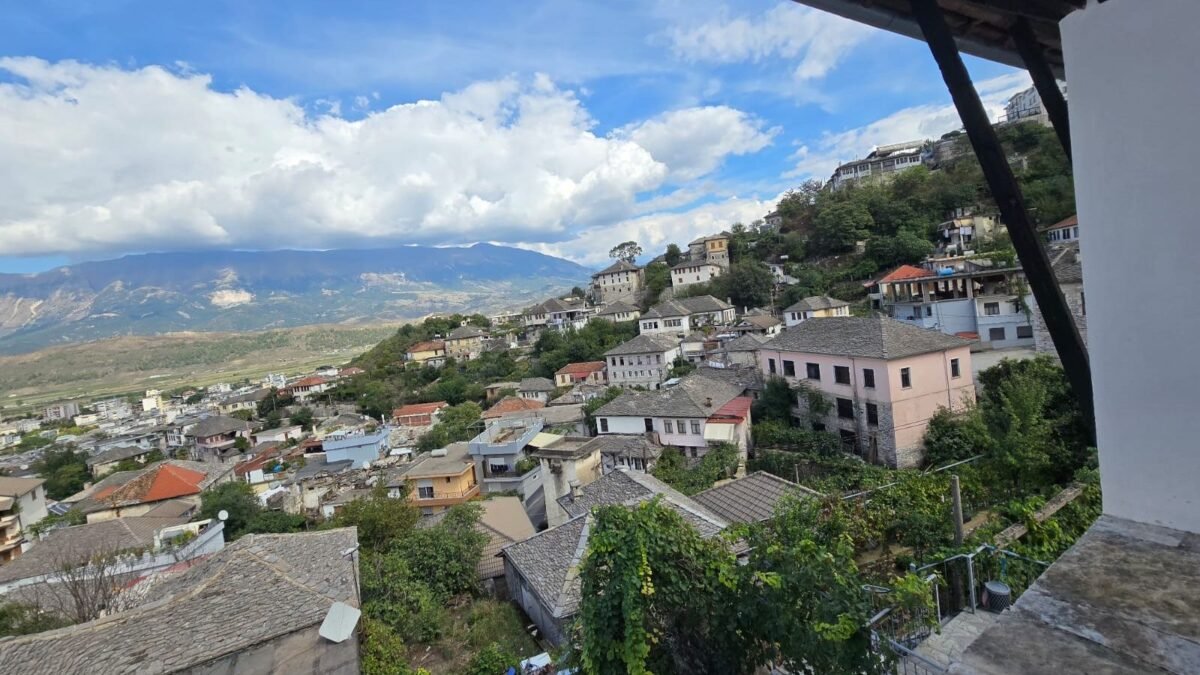
Kadare was born in 1936 in Gjirokastër, the stone city in southern Albania that appears in several of his works, most memorably in Chronicle in Stone, a story of the Second World War told through the eyes of a boy. He studied in Tirana and at the Gorky Literary Institute in Moscow, before Albania’s break with the Soviet Union brought him home.
His breakthrough came with The General of the Dead Army, published in the early 1960s, about an Italian general who returns to Albania years after the war to recover the remains of fallen soldiers. Its French translation established his reputation in Europe.
Writing under Hoxha
Kadare lived and worked for most of his career under the communist regime of Enver Hoxha. His position was complex. He was a member of official cultural institutions and enjoyed privileges denied to others, yet many of his books were veiled critiques of tyranny, set in distant historical periods or in myth. The Palace of Dreams, describing an Ottoman ministry that collects and interprets the dreams of the empire’s subjects, was banned soon after publication in the early 1980s. In 1990, shortly before the regime collapsed, he sought asylum in France.
Debates about his relationship with the regime continue, as they do for many artists who lived under dictatorship. Most critics agree that his work, read closely, is a sustained study of how power controls memory and fear.
Recognition
Kadare won the first Man Booker International Prize in 2005 for the body of his work, as well as the Prince of Asturias Award for Literature in 2009 and many other honours. His books, including Broken April, about the blood feuds of the northern highlands, and The Concert, about Albania’s split with China, are widely taught and read.
Where to start
New readers often begin with Chronicle in Stone or Broken April, which are short and vivid. The Palace of Dreams and The Three-Arched Bridge show his gift for turning legend into political allegory. In Gjirokastër, his family house has been restored as a museum. Kadare’s novels remain one of the richest ways to understand how Albanians have told their own story.


