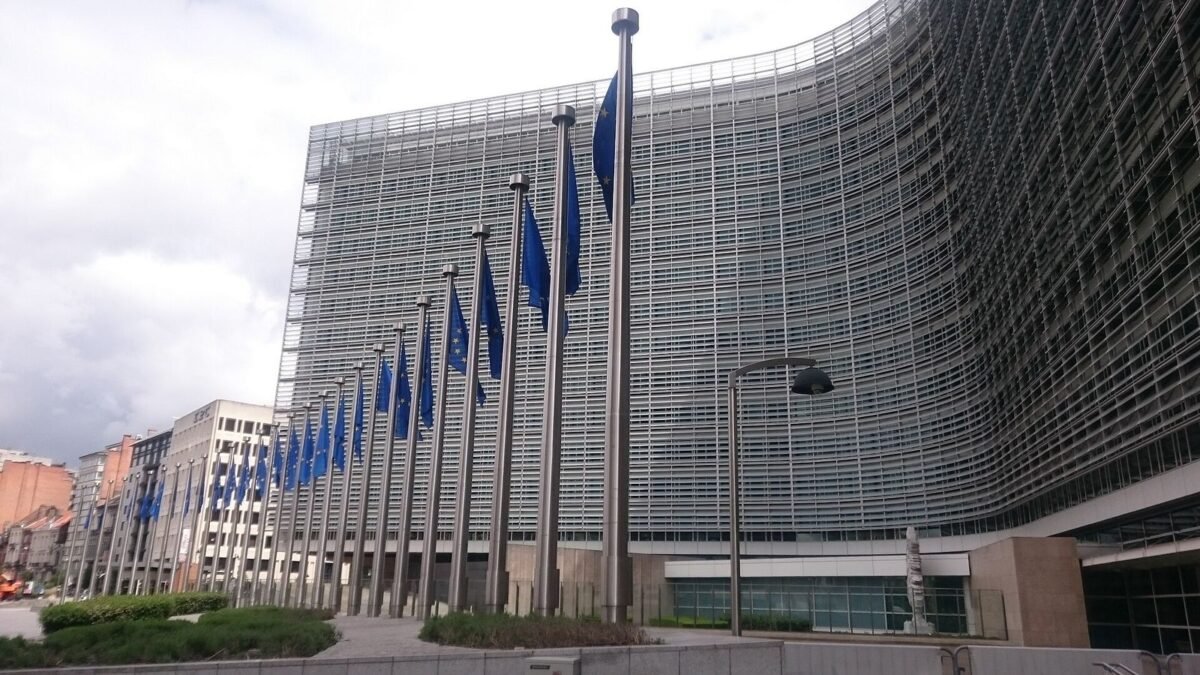
For more than a decade, delegations from Kosovo and Serbia have met in Brussels under the auspices of the European Union. The talks have produced dozens of agreements, some technical, some highly political. Yet relations remain tense, and many of the commitments are still not implemented.
How the dialogue began
The EU-facilitated dialogue started in 2011, three years after Kosovo declared independence, which Serbia does not recognise. The early phase focused on practical issues affecting daily life: freedom of movement, civil registries, cadastre records, recognition of university diplomas and customs stamps.
The 2013 Brussels Agreement
In April 2013 the prime ministers of both sides signed the First Agreement of Principles Governing the Normalisation of Relations, commonly called the Brussels Agreement. It integrated Serb-majority areas in northern Kosovo into Kosovo’s police and judicial systems and provided for an Association or Community of Serb-majority municipalities. The association has never been established. Disagreement over its powers, and a 2015 ruling by Kosovo’s Constitutional Court that parts of the plan did not comply with the constitution, kept it on hold.
The 2023 agreement
In February 2023 in Brussels, both sides accepted an EU-backed Agreement on the Path to Normalisation, followed by an implementation annex agreed in Ohrid in March 2023. It commits them to develop normal relations, to recognise each other’s documents and national symbols, and states that Serbia will not object to Kosovo’s membership in international organisations. Neither leader signed the text, and progress since has been limited by new crises on the ground.
Why it moves slowly
The core problem is that the two sides see the goal differently. Pristina wants the process to end in mutual recognition. Belgrade insists it will not recognise Kosovo. The EU has tried to work around the status question by focusing on practical normalisation, but every concrete step touches on sovereignty.
Domestic politics adds pressure. Leaders on both sides face voters who view compromise with suspicion. Incidents in the north, such as the 2023 attack in Banjska and disputes over vehicle plates and local elections, have repeatedly derailed talks.
What is at stake
Both countries want to join the EU, and Brussels has made clear that normalisation is a condition. For citizens, practical agreements on travel, energy, documents and trade make daily life easier. The longer the deadlock lasts, the longer both remain stuck in the waiting room of European integration.