When a government wants to punish another state, a company or an individual without going to war, it often reaches for sanctions. They have become one of the most frequently used tools of foreign policy, and one of the most argued about.
Types of sanctions
Targeted sanctions are aimed at specific people or entities. They usually involve freezing assets held in the sanctioning country and banning travel there. Lists can include politicians, business people and companies accused of corruption, human rights abuses or undermining peace.
Sectoral sanctions restrict trade or finance in particular industries, such as energy, defence or banking. Comprehensive sanctions cut off nearly all trade with a country and are now rare because of their humanitarian impact.
Who imposes them
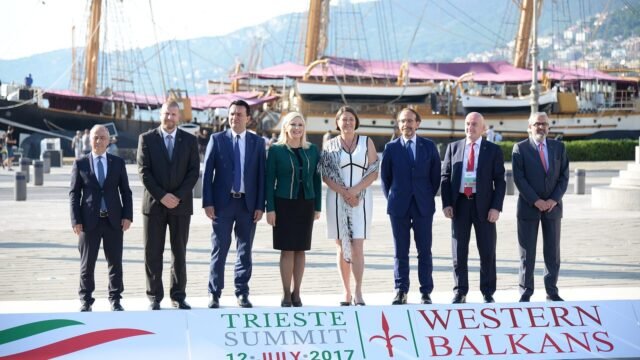
The UN Security Council can impose sanctions that bind all UN members, but only if none of its permanent members uses a veto. The European Union adopts its own “restrictive measures”, which require unanimity among member states. The United States, the United Kingdom and others maintain their own lists. In the Western Balkans, both the US and the UK have sanctioned individuals in recent years, citing corruption or threats to stability, and some candidate countries align with EU sanctions as part of their accession commitments.
Do they work?
Research suggests sanctions rarely change a government’s behaviour on their own, especially when the target sees the issue as vital. They can, however, raise the cost of certain actions, limit access to technology and money, and signal disapproval. Targeted measures against individuals can damage reputations and business ties even when they do not change policy.
Evasion is a constant problem. Companies set up front firms, goods are routed through third countries and assets are moved to family members. Enforcing sanctions requires constant monitoring by banks, customs and regulators.
The side effects
Broad sanctions can hurt ordinary people more than leaders, raising prices and shortages of medicines. The UN sanctions on Yugoslavia in the 1990s are often cited as an example: hyperinflation devastated living standards while smuggling networks thrived. That experience helped push governments towards more targeted measures.
Sanctions are best seen as one instrument among many. Their effectiveness depends on how many countries apply them, how well they are enforced and whether they are combined with diplomacy.