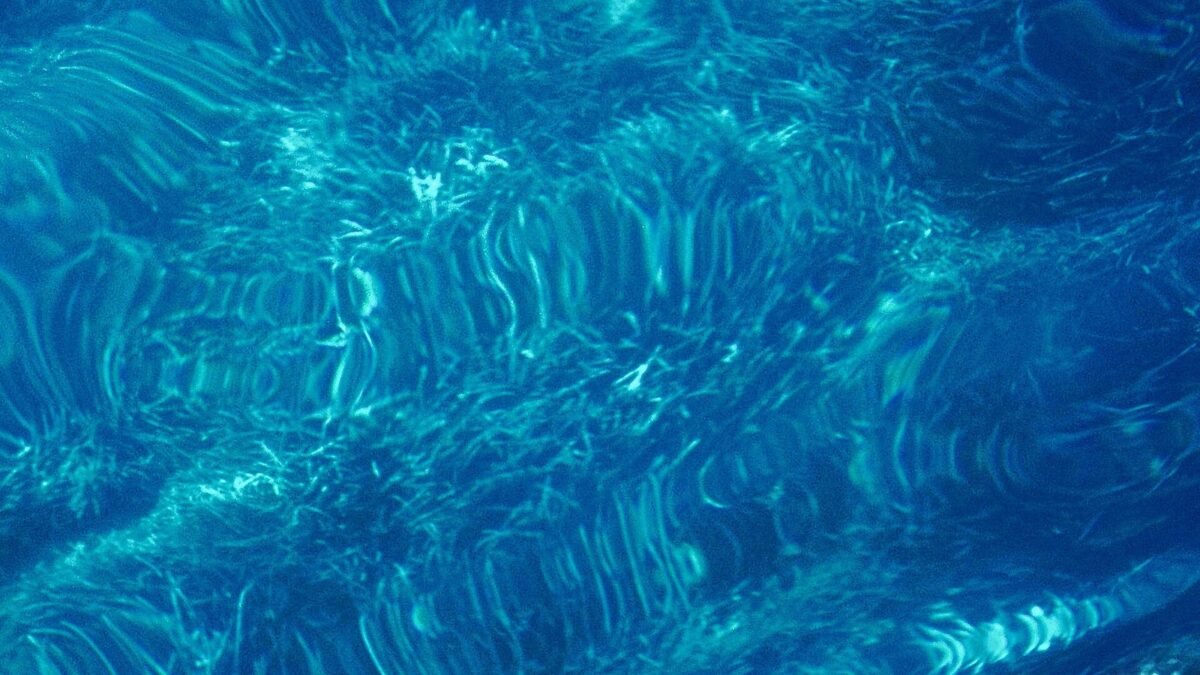
For the coastal towns of Albania, Montenegro, Croatia and Greece, the Mediterranean is a source of food, tourism and identity. It is also one of the places on Earth where the effects of climate change are arriving fastest. Scientists working with the Mediterranean Experts on Climate and Environmental Change, a network known as MedECC, have concluded that the region is warming roughly 20 percent faster than the global average.
Why this sea heats up so quickly
Several features make the Mediterranean particularly sensitive. It is a semi-enclosed sea, connected to the Atlantic only through the narrow Strait of Gibraltar, so its waters exchange slowly with the open ocean. It sits in a transition zone between the temperate climate of Europe and the dry subtropical climate of North Africa, where shifts in atmospheric circulation have a strong effect. And it is surrounded by land that is itself warming faster than the ocean, while summers are becoming drier.
The result is a region where average air temperatures have already risen by around 1.5°C compared with pre-industrial times, and where sea-surface temperatures in summer increasingly break records.
Marine heatwaves
Like heatwaves on land, marine heatwaves are periods when water temperatures stay unusually high for days or weeks. In the Mediterranean they have become more frequent, longer and more intense. When they reach deeper water, they can cause mass mortality among species that cannot move away, such as gorgonian corals, sponges, pen shells and the seagrass Posidonia oceanica, whose underwater meadows shelter fish, protect beaches from erosion and store large amounts of carbon.
Researchers have documented repeated die-offs along coasts from Spain to the eastern Mediterranean. Recovery can take decades, and some habitats may not recover if heatwaves keep returning.
New arrivals from the south
Warmer water is also changing which species live in the sea. More than a thousand non-native marine species have been recorded in the Mediterranean, many of them arriving from the Red Sea through the Suez Canal. Some, like the lionfish and certain rabbitfish, thrive in the warmer conditions and compete with native species. Others, such as the silver-cheeked toadfish, are poisonous and pose a risk if eaten. Fishermen in the eastern Mediterranean already report catches that look increasingly tropical.
Rising seas and coasts at risk
Sea levels in the Mediterranean are rising along with the global ocean, driven by melting ice and the expansion of warmer water. Low-lying areas such as river deltas, lagoons and coastal plains are the most exposed. Higher seas amplify storm surges, accelerate erosion and push salt water into coastal aquifers and farmland. Along the Adriatic and Ionian coasts, beaches that underpin the tourism economy are vulnerable, as are wetlands that are important for birds and fisheries.
What it means for people
The consequences reach far beyond the water. Fisheries face shifting stocks and new species. Tourism may be affected by hotter summers, water shortages and jellyfish blooms. Farmers in coastal regions contend with drought and salinisation. At the same time, the sea’s warmth fuels more intense rainfall events, contributing to flash floods.
Responses that work
Scientists stress that the scale of future change depends on global emissions, but local action also matters. Well-managed marine protected areas help ecosystems resist and recover from heatwaves. Protecting seagrass meadows and coastal wetlands provides natural defences against erosion and stores carbon. Monitoring networks that track water temperature and invasive species give early warning to fishermen and authorities. And planning coastal development with rising seas in mind can prevent expensive mistakes.
The Mediterranean has shaped the cultures that surround it for thousands of years. How those societies respond to its rapid transformation will shape its future in turn.